It opened in May 2026.
Nobody has written it up.
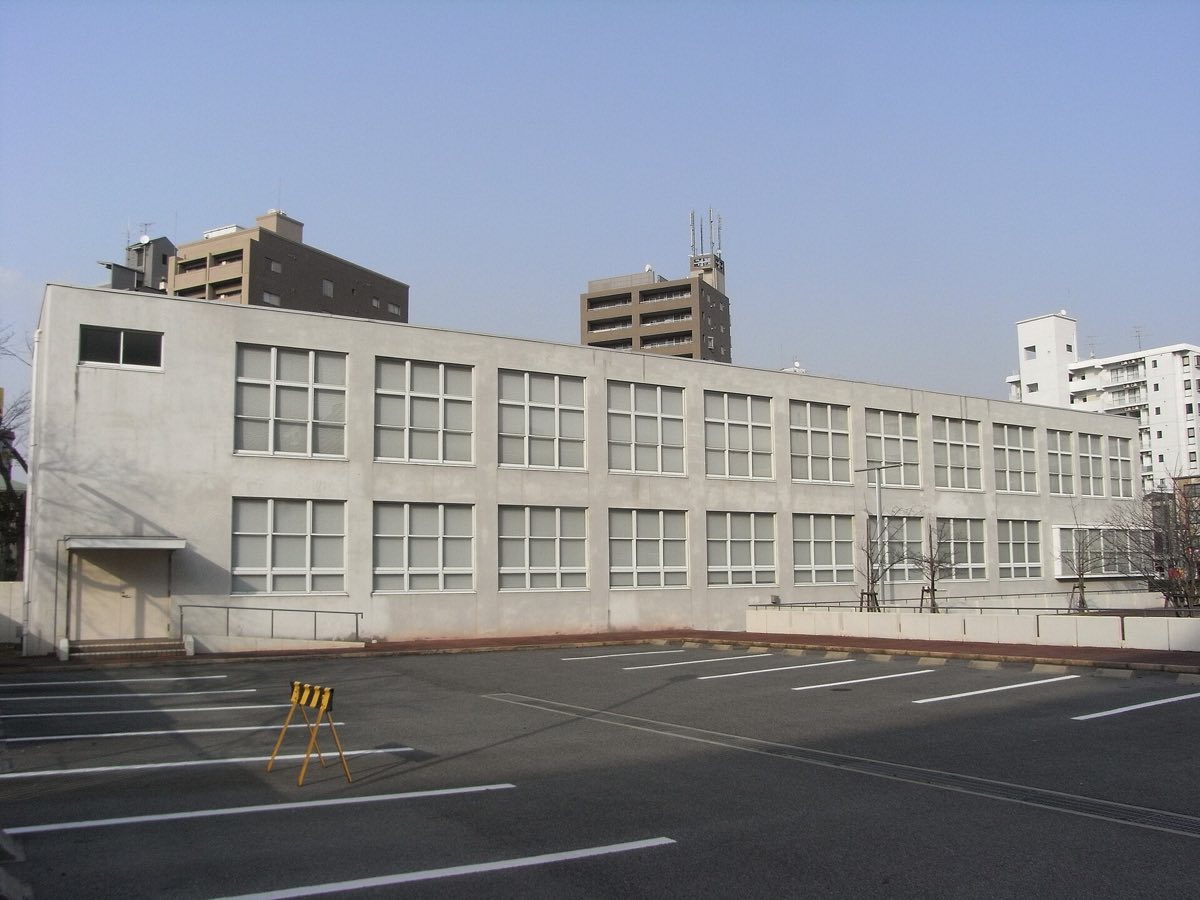
The Former Hiroshima Teishin Hospital Outpatient Wing Peace Museum opened on 1 May 2026 as an official auxiliary facility of the Peace Memorial Museum. It is free, it needs no reservation, it sits 1,370 metres from the hypocentre in a building that survived, and on current evidence you will have it largely to yourself.
Free, open 09:00–17:00, closed Mondays, no reservation. A 1935 A-bombed building 1,370m from the hypocentre that became one of the few functioning relief stations after the bombing, reopened after a roughly ¥280 million renovation with about 60 exhibits and a 20-minute film. It is not in Peace Memorial Park — take the Hiroden Hakushima line to Katei-Saibansho-mae, then two minutes on foot.
Opened 1 May 2026, and the guidebooks have not caught up
NewThis is the most recent addition to Hiroshima's memorial estate and it is not in any printed guide you will be carrying. It is an official auxiliary facility of the Peace Memorial Museum, it costs nothing, and it explains the one thing the main museum covers least well: what happened medically in the hours and days after 8:15.
The building is a 1935 hospital wing standing 1,370 metres from the hypocentre. It survived — damaged, but standing — and became one of the very small number of places in the flattened city where medicine could still be practised. Most of Hiroshima's doctors and nurses were killed or injured in the same instant as their patients; the buildings that could still function as relief stations mattered out of all proportion to their size.
The renovation cost roughly ¥280 million and produced about 60 exhibits, including a recreated sterile surgical room and, left deliberately visible, A-bombed roof tiles exposed within the structure. A 20-minute film runs twice an hour, at :10 and :40, with Japanese and English subtitles and sign language.
One caution about attribution. The connection between this hospital and Dr Michihiko Hachiya, whose Hiroshima Diary is among the best-known first-hand medical accounts of the aftermath, is historically well established — but it was not restated in the official 2026 pages we checked. We are flagging it as background rather than as something the facility currently presents, and you should treat any guide who leads with it the same way.
How it fits against the rest of the cluster
ComparedFour free or near-free stops, and what each one is actually for.
| Place | Cost | Time | What it does that the others do not |
|---|---|---|---|
| Peace Memorial Museum | ¥200 | 2–3 hrs | The central account. Belongings, testimony, and the scale of it. Do this first — everything else reads better afterwards. |
| National Peace Memorial Hall | Free | 45 min | The individual dead, by name, and a testimony archive in 20+ languages. Underground and quiet. |
| Teishin Hospital annex | Free | 45–60 min | The medical aftermath, inside a building that was there. A surviving structure you can stand in, rather than photographs of one. |
| Schmoe House (Eba annex) | Free | — | The older auxiliary facility, on the far side of the city. Reopened 4 August 2026 after an air-conditioning failure closed it that July — do not confuse the two. |
Schmoe House reopened on 4 August 2026 and the museum lists no closure notice for it as of 21 September 2026. Dollar prices convert at ¥157.7 = $1, the rate on 4 August 2026. Treat every $ figure as a snapshot and the ¥ figure as the real price.
It is not in the park, and that is the only difficulty
Getting thereThe address is Higashi-Hakushima-cho 19-12, Naka-ku, about 1.5 to 2km north-east of Peace Memorial Park — roughly 20 to 25 minutes on foot if the weather is reasonable, which in August it is not. Everyone who assumes it is inside the park loses half an hour finding out otherwise.
By tram it is straightforward: the Hiroden Hakushima line to Katei-Saibansho-mae, then a two-minute walk. That is a different branch from the line 2 and line 6 services that serve Genbaku Dome-mae, so allow for a change. The fare is the same flat ¥240 either way.
Hiroden went to a flat ¥240 adult / ¥120 child fare on 1 February 2025, its first revision in seven years, replacing the old distance-based ¥140–270 scale. The all-day streetcar pass is ¥700, so it pays from your third ride — which is exactly what a Peace Park, castle and station day comes to.
The practical shape of a day: museum and park in the morning, this in the afternoon, and if you are riding the tram three times the ¥700 day pass has already paid for itself. See the streetcar pass page for the break-even.
The practical bit
Plan your visitThe Teishin Hospital annex — the questions
FAQPage schema pairedWhat is the Former Teishin Hospital Outpatient Wing Peace Museum?
An official auxiliary facility of the Hiroshima Peace Memorial Museum that opened on 1 May 2026, housed in a 1935 hospital wing that stood 1,370 metres from the hypocentre and survived. Roughly ¥280 million was spent on the renovation and there are about 60 exhibits. It is free and needs no reservation.
What are the opening hours and how much is it?
Free, 09:00 to 17:00. Closed on Mondays — although it opens if that Monday is 6 August or a public holiday — and from 29 December to 3 January. No booking of any kind, which makes it one of the easiest stops in the city to slot into an afternoon.
Where is it, and is it in Peace Memorial Park?
It is not in the park. The address is Higashi-Hakushima-cho 19-12, Naka-ku, about 1.5 to 2km north-east of Peace Memorial Park — 20 to 25 minutes on foot. Take the Hiroden Hakushima line to Katei-Saibansho-mae and walk two minutes. That is a different branch from the line 2 and 6 trams that serve the park, so allow for a change at the flat ¥240 fare.
What is inside?
About 60 exhibits across a restored 1935 building, including a recreated sterile surgical room and A-bombed roof tiles left deliberately exposed within the structure. A 20-minute film runs twice an hour, at :10 and :40, with Japanese and English subtitles and sign language. Budget 45 to 60 minutes in total.
Why does this particular building matter?
Because it worked. Standing 1,370m from the hypocentre, it survived the blast and became one of the very few functioning relief stations in a city where most medical staff had been killed or injured at the same instant as their patients. The main museum covers what happened; this covers what was done about it, in a building that was there when it happened.
Is this the same as Schmoe House?
No, and the confusion is easy to fall into — both are auxiliary facilities of the Peace Memorial Museum. Schmoe House is the older annex over in Eba, on the other side of the city. It was shut in July 2026 when its air-conditioning failed and reopened on 4 August 2026; the museum lists no closure notice for it as of 21 September 2026.
Is it connected to Dr Michihiko Hachiya and Hiroshima Diary?
The historical connection between this hospital and Hachiya's Hiroshima Diary is well established in the literature — but it was not restated in the official 2026 pages we checked when this facility opened. We are flagging that rather than presenting it as part of the exhibition. Read it as background, not as what the museum currently says about itself.
Is it worth the detour from the Peace Park?
Yes, as a second stop rather than a substitute — 45 to 60 minutes, free, and on current evidence close to empty, against a main museum that took 2,580,926 admissions in FY2025. If you have a second Hiroshima day, or an afternoon after a 7:30 museum entry, this is the strongest free addition to it in the city right now.
Getting there, and what else fills the afternoon
Book itEntry is free and unbookable. What is worth buying is the tram pass, if this stop makes your third ride of the day.