The best time to visit Hiroshima
is late November.
Arrive around 25 November and you catch Momijidani's ~700 maples at peak and Shukkeien turning a few days later, with the driest month of the autumn and no humidity. Two corrections while you plan: July is the wettest month at 279.8mm, not August — and August's real problem is not the 32.8°C day, it is the 25.1°C night.
Come around 25 November. That single date catches Momijidani at its mid-to-late-November peak and Shukkeien as it turns into early December, with November averaging a daily max of 17.7°C and only 69.3mm of rain — the driest month bar January. Runner-up: late May, after Golden Week and before tsuyu. Avoid roughly 6 June to 19 July, the rainy season, which with June's 226.5mm and July's 279.8mm carries about 32% of the annual 1,572.2mm between them.
Hiroshima, month by month
By monthJMA 1991–2020 normals: average daily maximum, average daily minimum, monthly rainfall. The bar is crowding, not weather.
Two things nobody publishes. First, July is the wettest month at 279.8mm — August is drier than June, July and September. If you have been told to avoid August because of rain, that is wrong; avoid it because of the overnight low. Second, August's average daily minimum is 25.1°C: the city does not cool down at night, which is what makes standing in the Peace Memorial Park from 06:00 on the 6th genuinely hard. Annual rainfall is 1,572.2mm and June plus July are about 32% of it.
The Hiroshima Flower Festival is in May
The correctionIt is not an August event. It runs over Golden Week, in May, and it appears in August round-ups often enough that it is worth stating flatly.
If you have read that the Flower Festival coincides with the 6 August anniversary, that page is wrong. The two are three months apart and they are entirely different in character — one is a spring street festival over Golden Week, the other is a memorial ceremony. Planning an August trip around the Flower Festival will simply not work.
On 6 August the Peace Memorial Park is a ceremony, not a sightseeing destination — 55,000 people attended the 80th anniversary. Hotels sell out months ahead and Nozomi seats for 5–7 August go within days of release. If your dates land on it, decide deliberately: come for the ceremony and the evening lanterns and accept that everything else is full, or move your Hiroshima day.
What actually happens in August is on the 6 August page: the ceremony from 08:00 to 08:50 at the Cenotaph, the park closed to the public 05:00–09:00, the museum not opening until about 09:45 that day despite its published hours, and the Toro Nagashi lantern floating on the Motoyasu River from 18:00 to 21:00. From 8 to 16 August 2026 the museum is online-reservation-only all day, capped at 1,000 people an hour. 1–4 or 17–20 August are the clean windows if your dates are fixed to that month.
Five things worth planning around
What moves your datesIn rough order of how much they should influence when you come.
| Factor | When | What it does | Verdict |
|---|---|---|---|
| Autumn colour | Momijidani mid-to-late November · Shukkeien late Nov to early Dec | Momijidani's ~700 maples are the single most congested Miyajima period of the year. Arrive around 25 November and you can catch both. ⚠️ 2026 illumination dates were not announced as of 4 August 2026. | WORTH IT |
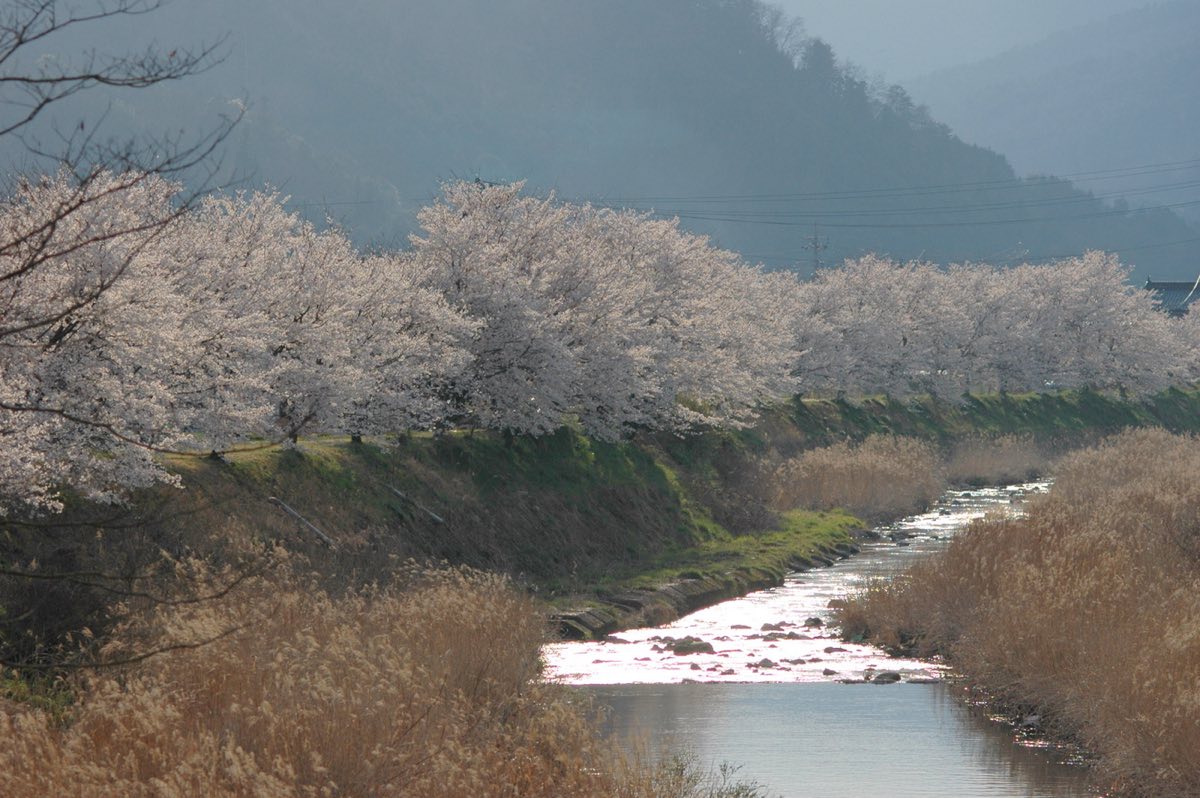
| Cherry blossom | JMA normal first bloom 25 March, full bloom 3 April | In 2026 the actuals were 19 and 30 March, ahead of normal. Target 28 March to 8 April. The Peace Memorial Park has about 300 Somei-Yoshino and costs nothing. We will not publish a 2027 prediction. | WORTH IT |
| Oyster season | Roughly October–March, peaking December–February | The city's signature dish is a winter dish — but summer oysters do exist: triploid natsu-kaki that do not spawn, which the official tourism board actively promotes. ⚠️ The Miyajima Oyster Festival was cancelled in February 2026 for poor oyster growth; 2027 is unconfirmed and most sites still list it as annual. | WORTH IT |
| Tsuyu, the rainy season | Normals ~6 June to ~19 July | Persistent rain rather than storms, and it is the wettest stretch of the year: 226.5mm in June and 279.8mm in July. Miyajima is much less rewarding wet, and Mount Misen's rock paths get genuinely slippery. Dates swing by weeks — treat it as a planning window, not a guarantee. | SKIP |
| The 6 August week | 5–7 August, plus reservation-only museum access 8–16 August | The park closes to the public 05:00–09:00 on the 6th, the museum opens around 09:45 that day, and hotels sell out months ahead. 1–4 or 17–20 August are the clean windows. | DEPENDS |
| Sake Matsuri, Saijo | Saturday 10 – Sunday 11 October 2026 | Sat 10:00–19:00, Sun 10:00–17:00, around JR Saijo Station — not the shinkansen station called Higashi-Hiroshima. Draws over 100,000 people and fills rooms across the prefecture. The full guide is here. | WORTH IT |
| Typhoon season | September — 162.7mm, still wetter than August | Cheaper rooms and thinner crowds in exchange for real weather risk on any given day. Ferries to Miyajima are the first service to stop. | DEPENDS |
| Museum mid-February closure | A few days each February | The Peace Memorial Museum shuts for its annual exhibit changeover. It is a genuine trap for February visitors, who otherwise get peak oysters and the emptiest city of the year. Check the museum's own calendar before booking February dates. | DEPENDS |
Hiroshima oysters are a winter dish — roughly October to March, peaking December to February. Come in July and you'll find the farmed summer Kaki Komachi variety and a lot of restaurants simply not doing oysters. The grilled-oyster stalls and the festivals are a November-to-March thing.
The practical bit
Plan your visitWhen to visit Hiroshima — the questions people ask
FAQPage schema pairedWhat is the best month to visit Hiroshima?
Late November into early December. November averages a daily maximum of 17.7°C with only 69.3mm of rain, Momijidani's roughly 700 maples peak mid-to-late month and Shukkeien turns a few days later — so arriving around 25 November catches both. Late May is the runner-up: after Golden Week, before the rains.
What is the weather like in Hiroshima in August?
Hot rather than wet. JMA normals give an average daily maximum of 32.8°C, a mean of 28.5°C, 131.4mm of rain and 69% humidity. At 131.4mm August is actually drier than June, July or September. The real problem is the average overnight low of 25.1°C — the city never cools down, which is what makes a 06:00 start in the park on the 6th so punishing.
What is the wettest month in Hiroshima?
July, at 279.8mm — not August. June is second at 226.5mm, and together those two months carry roughly 32% of the annual 1,572.2mm. If you have read that August is the month to avoid for rain, that is wrong; January at 46.2mm and December at 54.0mm are the driest.
When is the rainy season in Hiroshima?
The tsuyu normals run from about 6 June to about 19 July, though the dates swing by weeks year to year — treat them as a planning window rather than a guarantee. It is persistent grey rain rather than storms, and it is the one stretch we would actively steer you away from. It is also the cheapest time to find a room.
When do the cherry blossoms bloom in Hiroshima?
JMA's normal dates are first bloom on 25 March and full bloom on 3 April; in 2026 the actuals came early, on 19 and 30 March. Target 28 March to 8 April and you will catch it most years. The Peace Memorial Park has about 300 Somei-Yoshino and costs nothing. We will not publish a 2027 prediction.
When do the autumn leaves peak on Miyajima?
Momijidani Park peaks mid-to-late November, with roughly 700 maples, and it is the single most congested period on Miyajima all year. Shukkeien in the city peaks a little later, late November into early December. As of 4 August 2026 the illumination dates for this autumn had not been announced.
Should I avoid Hiroshima on 6 August?
Only if you want ordinary sightseeing. The park is closed to the public 05:00–09:00, the museum does not open until about 09:45 despite its published 7:30 hours, and 55,000 people attended the 80th anniversary. If you come deliberately for the ceremony and the evening lanterns, it is the most significant day of the year to be here.
Is February a good time to visit Hiroshima?
It is quiet, cold at 10.9°C and 2.4°C, dry at 64.0mm, and oysters are at their peak — but there is a trap. The Peace Memorial Museum closes for a few days each February for its exhibit changeover, and it is the one thing you cannot substitute. Check the museum's own calendar before you fix February dates.